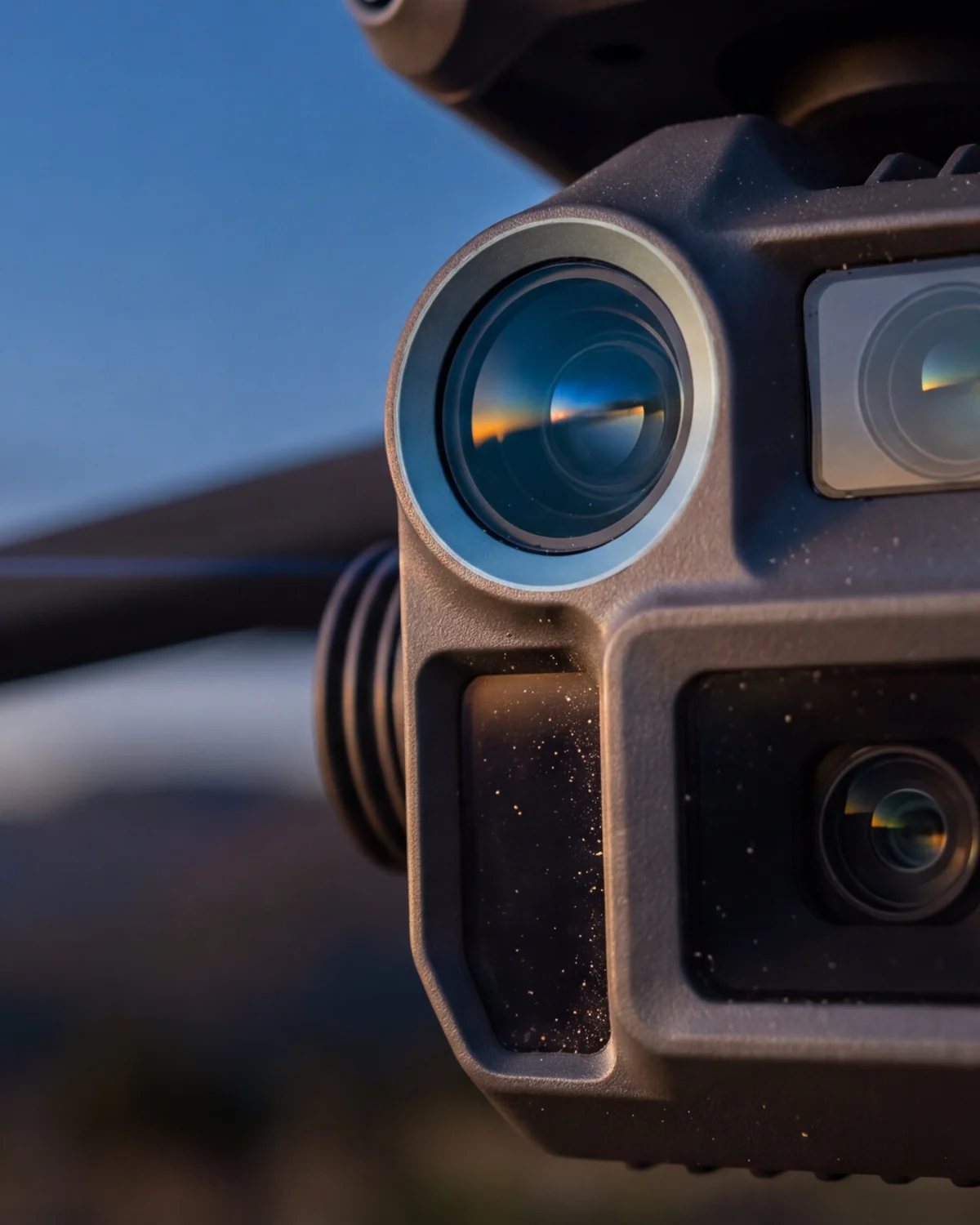
Pharos AI
Taught to see what matters on your property.
Every site has its own threats. Your aircraft should know them.
From the first flight, the aircraft picks out people and vehicles, in daylight and in total darkness. Then we go further. We train it on footage of your own property, at the height we fly, to find the things only your site has: rhino on a block, a break in a boundary fence, cut cable, stock out of camp. It runs on the aircraft, and a licensed pilot checks every flag.
Built for you
Built, trained and optimised for your site.
We build, train and optimise the AI for your site and your needs. That is how we get you the insights that are worth the most to you.
- 01Build
We design the model around your property and the few things that actually cost you.
- 02Train
On footage of your own ground, at the heights and hours we fly, through your seasons.
- 03Optimise
Tested on your site, tuned until it finds what matters, and improved as your site changes.
Built in
What it knows from the first flight.
Standard drone detection looks for people and vehicles. That is where Pharos starts, not where it stops.
A person at your fence line, in colour by day and in thermal at night, when no camera on the ground can see them.
A vehicle on a farm road at 2am, on a track that should be empty, or parked at the wrong gate.
Anything hotter than it should be: a fire starting, an engine left running, a joint about to fail.
Trained for your site
Teach it what only your site has.
A reserve, a farm, a substation and an estate each need the aircraft to look for different things. Pick one to see what we train it to find, and what you get back.
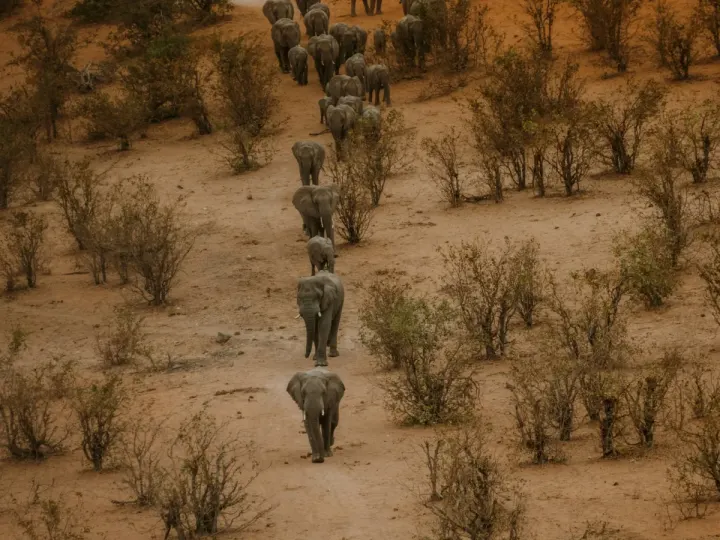
Every animal on the block, found and counted.
- It learns
- Rhino, elephant or the species you name, in thermal and in colour, from the height and the hours we fly your reserve.
- You get
- Sightings pinned on your map in the night, and counts built from a mapped block, so the same animal is never counted twice.
- Good to know
- One dock covers 10 km and more around it. Rhino positions are sensitive, so they stay on the aircraft and with us.
What you get back
Insight, not a folder of footage.
Everything the model finds comes back to you as something you can act on.
What was found, where on your map, and a photo, confirmed by a licensed pilot before your team is called.
Everything found overnight in one place, so nothing waits on someone remembering to report it.
Animals per block, stock per camp, breaks per stretch of fence, month on month, so you see the trend and not only the incident.
Every flagged flight logged and sealed with its time and position, ready for SAPS or your insurer.
In the dark
Where the camera sees nothing, it still finds them.
At night the colour camera sees almost nothing. Thermal sees heat, so a person, an animal or a running engine stands out against cold ground. The model looks at both, and flags what it was trained to find. Drag across.


How a model is made
Five steps, done with you.
From the first conversation to the first flight with your own model.
- 01We agree what matters
Up to ten things in one model, named in plain words with you: what it is, where it happens, and what you want done when it is found.
- 02We fly your site
Thermal and colour footage of your own ground, at the heights and hours we will fly for real, through your seasons.
- 03We build and train
Our team marks every example by hand, then builds and trains a model on it. Your footage, your scenery, your animals and your fences.
- 04We test and optimise
Before it goes live we measure how well it finds each thing on footage it has never seen, tune it until it finds what matters, and show you the results.
- 05It flies with your model
Loaded onto your aircraft and running on board. A licensed pilot still confirms every flag, and we retrain as your site changes.
The machine keeps the vigil. A person makes the call.
Private by design
Trained for you. Kept for you.
Detection runs on board, so finding something does not wait on a signal or a server somewhere else.
The model points. A licensed pilot confirms what it is before anyone is called.
Your training footage and your model stay with Pharos for your site, so they carry over when the aircraft is upgraded.
We train it to find threats, animals and faults, never to recognise people. Footage is handled under POPIA.
Questions
What people ask about the AI.
How accurate is it?
We test every model on footage of your own site that it has never seen, and show you the results before it goes live. Accuracy depends on the task, the season and the height, so we measure it on your ground rather than quote a number from somewhere else.
Can it count animals without counting twice?
Live detections show where animals are. Counts are built from a mapped block, where each animal appears once, so an animal that moves between frames is not counted twice.
How many things can one model look for?
Up to ten in one model. Most sites need fewer: the two or three things that actually cost them money.
Does it recognise faces?
No. Pharos finds people, vehicles, animals and faults. It does not identify who anyone is.
What happens when my site changes?
We fly it, add the new footage to the training and update your model. Seasons, new fences and new buildings all go in.
Does it replace my guards or rangers?
No. It gives them eyes above the fence and tells them exactly where to go. The same people, working at their full potential.
Start here
Tell us what you need it to find.
Describe your site and the thing that keeps costing you. We will tell you honestly what the aircraft can learn, how we would train it and how we would test it.